

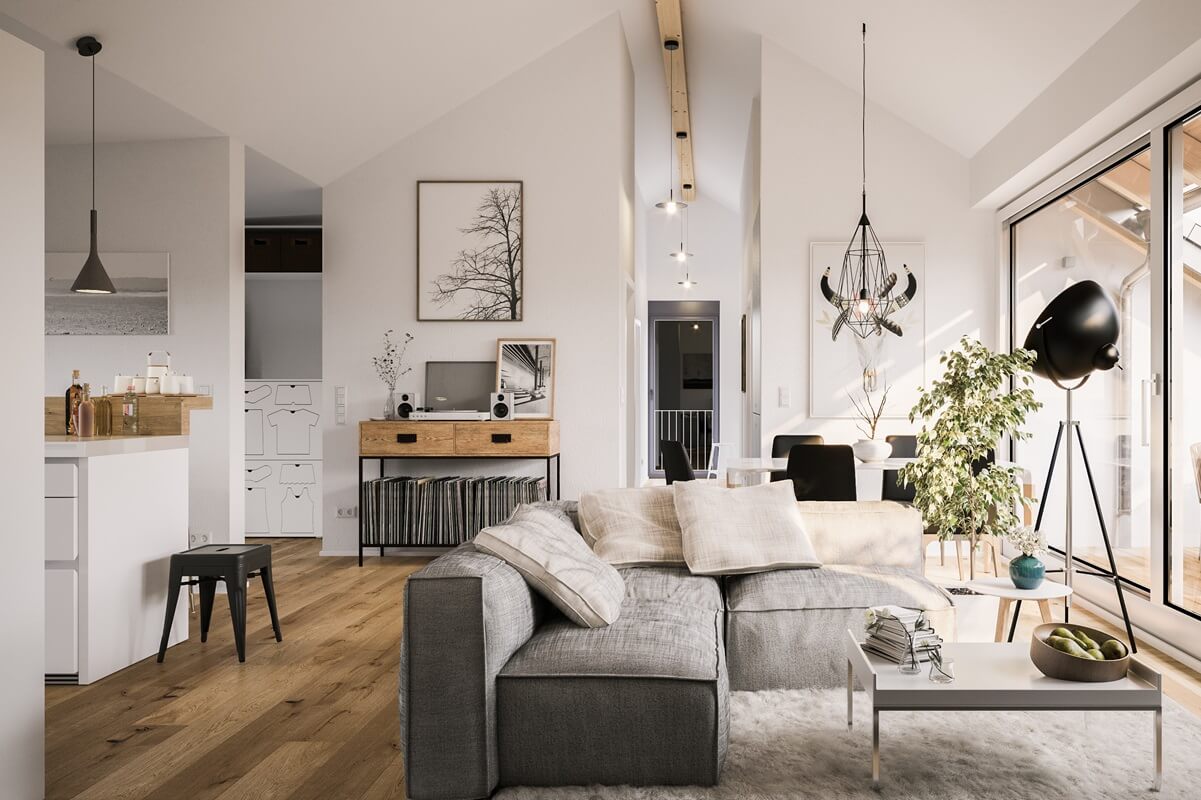
Furnishing a small home presents both a challenge and an opportunity. With thoughtful choices and a clear vision, even the most compact spaces can feel warm, inviting, and beautifully considered. In this guide, we share practical tips and creative ideas to help you make the most of every square metre while maintaining style and comfort, creating a home that feels both functional and personal.
From the article you will learn:
-
How to select furniture that maximises space without sacrificing style or functionality.
-
Why multifunctional furniture pieces are essential for small living areas.
-
Techniques for using colour and texture to make a room feel larger and more inviting.
-
The impact of vertical storage solutions in creating a sense of openness.
-
Ways to incorporate mirrors to enhance light and depth perception in compact spaces.
-
What small-space furniture solutions are available and how they can be utilised effectively.
-
Tips for creating a harmonious balance between practicality and aesthetics in a small home.
-
Strategies to maintain a clutter-free environment while ensuring maximum usability.
Choosing the right furniture for small spaces
Furnishing a small home without making it feel cramped requires careful selection of furniture that complements the room's dimensions. Opting for pieces that are proportionate to the space ensures a balanced aesthetic and prevents overcrowding. For instance, a compact sofa or a slimline dining table can provide functionality without overwhelming the room. Incorporating furniture for small spaces, such as nesting tables or wall-mounted desks, can further enhance the usability of the area while maintaining an open feel. Additionally, choosing furniture with exposed legs can create a sense of openness, as it allows light to flow underneath, giving the illusion of more space.
Multifunctional furniture is invaluable in small homes. Items like sofa beds, extendable dining tables, or ottomans with hidden storage serve dual purposes, maximising utility without occupying extra space. When considering light or dark furniture in small rooms, it's essential to understand their impact on the room's perception. Light-coloured furniture can make a room feel airy and more spacious, reflecting natural light and creating an open atmosphere. Conversely, dark furniture can add depth and a sense of cosiness but may make the space feel more enclosed if not balanced correctly. Therefore, it's crucial to assess the room's natural lighting and desired ambiance when selecting furniture hues.
Creative space-saving interior design tips
One effective strategy is to utilise vertical space by installing wall-mounted shelves and tall cabinets, which draw the eye upward and create the illusion of height. This approach not only provides ample storage but also keeps the floor area uncluttered, contributing to a more open and airy atmosphere. Additionally, incorporating clever furniture for small spaces, such as modular units with slim profiles, allows for adaptability as needs change, ensuring that each piece serves multiple purposes without overwhelming the room.
Another key consideration is the strategic placement of mirrors to reflect light and create a sense of depth, making the space feel larger than it is. Opting for transparent or reflective furniture pieces, like glass-topped tables or acrylic chairs, can further reduce visual weight and maintain an open feel. By thoughtfully combining these elements, it's possible to create a harmonious and functional living environment that maximises every square metre of a small home.
Clever furniture ideas for small flats
Optimising small flats requires innovative furniture solutions that adapt to varying needs without compromising on space. One effective approach is incorporating multifunctional pieces like extendable tables, which can serve as compact dining surfaces or workstations and expand when additional space is required. This adaptability ensures that the area remains uncluttered while accommodating different activities. Similarly, murphy beds offer a practical solution by folding away into the wall when not in use, transforming a bedroom into a living or working space during the day. These beds often come with integrated features such as desks or shelving, further enhancing their utility.
In addition to these, selecting furniture with slim profiles and modular designs can significantly enhance the functionality of a small flat. Modular units allow for customisation and can be reconfigured as needs change, providing flexibility without occupying excessive space. Transparent or reflective furniture pieces, like glass-topped tables or acrylic chairs, can also reduce visual weight and create an illusion of a more expansive area. By thoughtfully integrating these furniture ideas for small flats, it's possible to create a versatile and comfortable living environment that maximises every square metre.
How to make a small room look bigger
Enhancing the perception of space in a small room involves strategic design choices that create an open and airy atmosphere. Key methods include:
-
Strategic Placement of Mirrors: Positioning mirrors opposite windows or light sources reflects natural light throughout the room, amplifying brightness and creating the illusion of depth.
-
Use of Colours and Textures: Opting for light, neutral wall colours can make a room feel more expansive. Incorporating subtle textures adds visual interest without overwhelming the space.
-
Integration of Space-Saving Interior Design Tips: Utilising multifunctional furniture and maintaining a clutter-free environment ensures that the room remains functional without feeling cramped.
By thoughtfully applying these techniques, you can transform a compact area into a comfortable and visually spacious environment.
FAQ
Opt for multifunctional pieces like sofa beds, extendable tables, and ottomans with storage. These items serve multiple purposes, maximising utility without occupying extra space.
Light, neutral colours such as whites, creams, and pastels reflect more light, creating an airy and open feel. Incorporating subtle textures adds depth without overwhelming the space.
Yes, strategically placing mirrors opposite windows or light sources reflects natural light throughout the room, amplifying brightness and creating the illusion of depth.
Arranging furniture to maintain clear pathways and avoid blocking natural light sources ensures a more open and less cluttered environment. Floating furniture away from walls can also create a sense of depth.
Utilise vertical space with tall cabinets and wall-mounted shelves. Choosing furniture with built-in storage, like beds with drawers underneath, helps keep belongings organised without sacrificing floor area.
Light-coloured furniture can make a room feel more spacious by reflecting light, while dark furniture adds depth and a sense of cosiness. Balancing both can create a harmonious and inviting space.
Implementing multifunctional furniture, utilising vertical storage, and maintaining a clutter-free environment are key strategies. Additionally, using mirrors and light colours can enhance the perception of space.
Employing light colours, strategic mirror placement, and space-saving furniture arrangements can create the illusion of a larger space. Keeping the room organised and free of unnecessary items also contributes to a more open feel.