

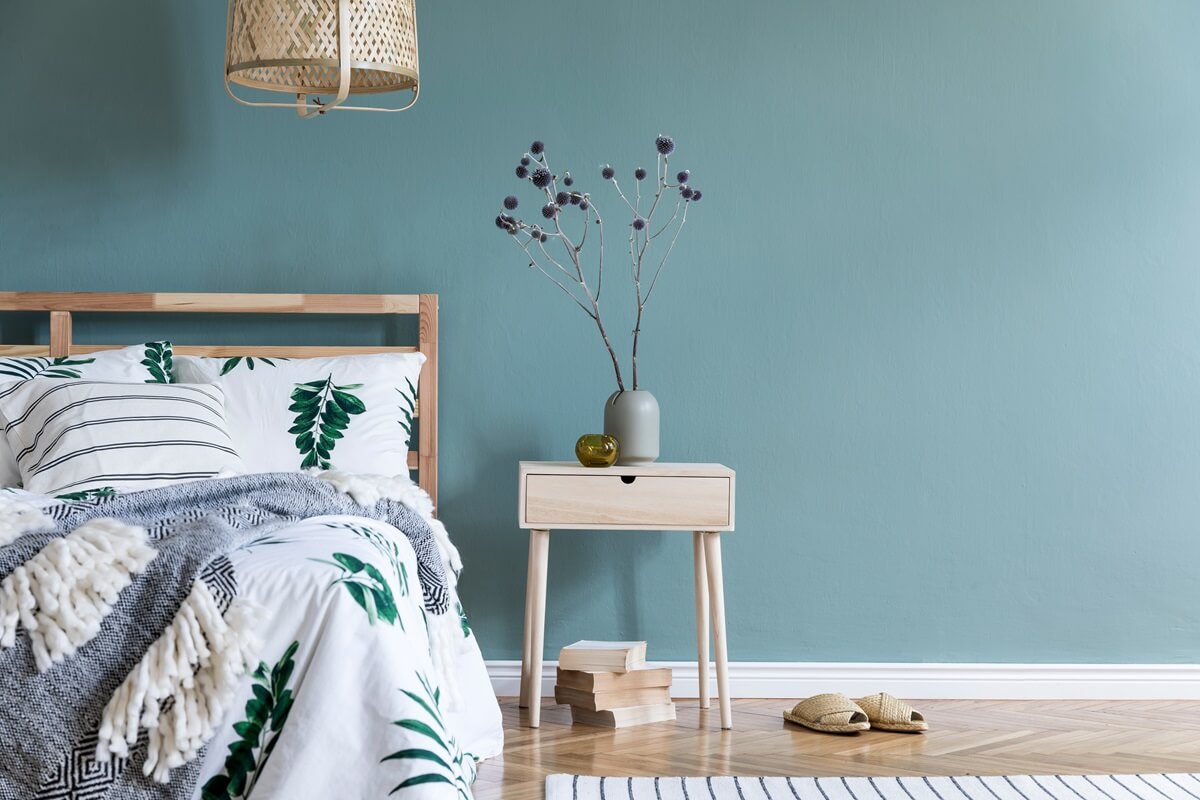
Choosing between an upholstered and wooden bed can be challenging. Each offers distinct styles and benefits, affecting your bedroom's aesthetics and functionality. Let's explore which might suit your needs better.
From the article you will learn:
-
The distinct styles and materials of upholstered and wooden beds and how they impact the aesthetics of your bedroom.
-
Key considerations for durability when choosing between an upholstered bed and a wooden bed frame.
-
The pros and cons associated with upholstered beds, including their ease of maintenance and versatility in different settings.
-
How wooden bed frames offer classic charm and what makes them a durable and practical choice for various bedroom themes.
-
Factors to consider when integrating beds into existing bedroom furniture collections for a harmonious design.
-
Insights into how different mattress types can enhance the longevity and comfort of your selected bed frame.
Key differences between upholstered and wooden beds
Upholstered beds feature frames enveloped in fabric, offering a soft, cushioned surface that enhances comfort. The choice of upholstery materials—such as velvet, linen, or leather—allows for a wide range of colours and textures, enabling personalisation to match various bedroom décor themes. This versatility makes upholstered beds suitable for modern, romantic, or luxurious settings, where a plush and inviting atmosphere is desired. However, the fabric covering requires regular maintenance to prevent dust accumulation and potential staining.
In contrast, wooden beds are crafted from solid wood, showcasing natural grain patterns that exude timeless elegance. The durability of hardwoods like oak, maple, or walnut ensures longevity with minimal maintenance needed beyond occasional dusting. Wooden beds seamlessly integrate into minimalist, Scandinavian, rustic, or traditional settings, providing a sturdy and classic foundation. Their streamlined design can make a room feel more spacious, an advantage in compact areas. While they may lack softness, adding cushions can enhance comfort. Choosing between an upholstered or wooden bed comes down to your style, comfort, and the atmosphere you want for your bedroom.
Durability comparison: upholstered vs wooden beds
Wooden bed frames, particularly those crafted from hardwoods like oak, are renowned for their strength and longevity. These materials can withstand daily use, maintaining structural integrity with minimal maintenance. In contrast, upholstered bed frames combine a wooden or metal structure with fabric coverings and padding. While the internal frame may be sturdy, the external fabric is susceptible to wear, including fading, staining, and potential sagging over time. This necessitates more frequent upkeep to preserve the bed's appearance and functionality.
The choice between an upholstered headboard vs wood also impacts durability. Wooden headboards offer a solid surface that resists damage and is easy to clean. Upholstered options, while soft, are prone to deterioration and may require reupholstering. Additionally, the type of mattress used can influence the overall longevity of the bed frame. For instance, heavier mattresses may exert more pressure on the frame, affecting its durability. Therefore, selecting a high-quality mattress is crucial to complement and support the lifespan of the frame.
Pros and cons of choosing upholstered beds
Upholstered beds offer a blend of comfort and aesthetic appeal, making them a popular choice in bedroom design. The padded frames and headboards provide a soft surface, enhancing comfort for activities like reading or watching television. Available in a wide array of fabrics, colours, and textures, upholstered beds can be tailored to complement various décor themes, from contemporary to classic. This versatility allows homeowners to create an inviting atmosphere. Additionally, fabric coverings add warmth and luxury, making the bed a focal point in the design.
However, there are considerations. The fabric surfaces of upholstered beds can attract dust and allergens, necessitating regular cleaning. Spills may be challenging to remove compared to wooden frames, and certain fabrics may fade over time with exposure to sunlight. Moreover, the padded design results in a bulkier frame, which might not be suitable for smaller bedrooms. When integrating an upholstered bed into your bedroom, consider how it will harmonise with existing bedroom furniture to ensure a harmonious look.
Advantages of opting for wooden bed frames
Wooden bed frames offer a timeless appeal, combining classic style with robust construction. Their natural wood grain and finishes provide a warm, inviting aesthetic that complements various bedroom decors, from traditional to contemporary. The strength of solid wood ensures stability and longevity, making these frames a durable choice. Additionally, wooden beds are easy to maintain; regular dusting and occasional polishing keep them pristine without the need for specialised cleaning products.
Another advantage of wooden bed frames is their versatility with different mattresses. Whether you prefer memory foam, innerspring, or hybrid styles, wooden frames provide sturdy support, enhancing sleep quality. Their design flexibility allows them to fit seamlessly into diverse bed collections, offering options like storage drawers or adjustable bases to meet specific needs. This adaptability ensures that wooden bed frames remain a practical and stylish choice for various bedroom settings.
FAQ
Upholstered beds feature fabric-covered frames, offering a soft, cushioned surface that enhances comfort and adds a touch of luxury to the bedroom. They come in various fabrics and colours, allowing for personalisation to match different décor styles. Wooden beds, on the other hand, are crafted from solid wood, showcasing natural grain patterns that provide a timeless and sturdy aesthetic. They are versatile and can fit into both traditional and contemporary bedroom settings.
Wooden bed frames, especially those made from hardwoods like oak or maple, are renowned for their strength and longevity, often lasting for decades with minimal maintenance. Upholstered bed frames combine a wooden or metal structure with fabric coverings; while the internal frame may be sturdy, the external fabric is susceptible to wear over time, such as fading or staining, which may require more frequent upkeep.
Wooden beds are relatively low-maintenance, typically requiring only regular dusting and occasional polishing to maintain their appearance. Upholstered beds, however, need more attention; the fabric can attract dust and allergens, necessitating regular vacuuming, and spills may require prompt cleaning to prevent stains. Some fabrics may also fade over time if exposed to direct sunlight.
Upholstered beds can be less practical in households with pets or children, as the fabric can attract pet hair and is more susceptible to stains from spills or accidents. Regular cleaning is essential to maintain hygiene and appearance. Wooden beds might be a more durable and easier-to-clean option in such environments.
Yes, wooden bed frames offer a range of customisation options. They can be painted or stained in various colours to match your bedroom décor. Additionally, the choice of wood type and finish can influence the overall aesthetic, allowing for a personalised touch that complements your style.
Upholstered beds provide a soft, cushioned surface, particularly on the headboard, making them comfortable for activities like reading or watching TV in bed. Wooden beds lack this padding but can be paired with cushions or padded headboards to enhance comfort. The choice between the two often depends on personal preference regarding firmness and style.
The cost of both upholstered and wooden beds varies widely based on factors like materials, craftsmanship, and brand. Generally, upholstered beds may be more expensive due to the additional materials and labour involved in their construction. However, both types offer options across different price ranges to suit various budgets.
Wooden beds often have a more streamlined design, which can make a room feel more spacious, making them suitable for smaller bedrooms. Upholstered beds tend to have a bulkier appearance due to the padding and fabric, which might not be ideal in compact spaces. Considering the room size and layout is essential when choosing between the two.
Yes, eco-friendly options are available for both upholstered and wooden beds. For wooden beds, look for frames made from sustainably sourced or reclaimed wood. For upholstered beds, consider those made with organic or recycled fabrics and eco-friendly padding materials. Checking for certifications like FSC (Forest Stewardship Council) can also guide you towards environmentally responsible choices.
Deciding between an upholstered and a wooden bed depends on factors such as your aesthetic preferences, comfort requirements, maintenance willingness, budget, and bedroom size. Consider the pros and cons of each type, how they align with your lifestyle, and how they fit into your overall bedroom design to make an informed decision.