

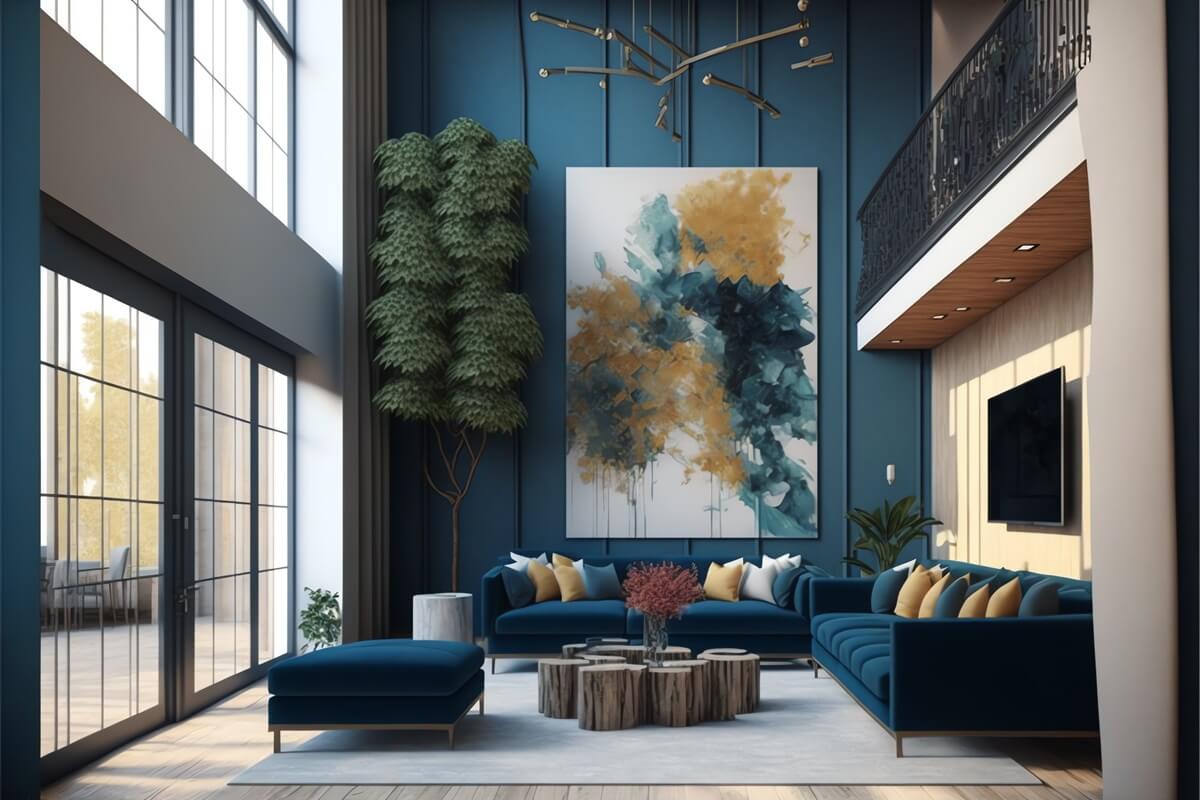
Creating a visually harmonious room with different furniture colors and materials can feel tricky. The right combinations, however, can turn your space into a balanced and inviting haven. This guide shares practical strategies to mix styles, textures, and finishes in a way that feels natural and intentional. By understanding how colors and materials interact, you can create a home that reflects your personality while maintaining a cohesive, stylish look. With careful planning, every piece can work together to enhance the beauty and comfort of your space.
From the article you will learn:
-
Essential techniques to ensure various furniture colours work together harmoniously.
-
Practical tips for integrating wood and metal furnishings in a cohesive design.
-
How to balance different interior styles to create a unified aesthetic in any space.
-
Strategies to maintain visual harmony using complimentary colour palettes.
-
Ways to incorporate accent pieces without disrupting the overall design theme.
-
Advice on choosing materials that complement one another to enhance your interiors.
-
Methods for using furniture layouts to guide the flow and function of a room.
-
Ideas for selecting statement pieces that align with existing decor while adding interest.
-
Insights into choosing versatile pieces that adapt to different styles and settings.
How to mix furniture colours for a harmonious look
Achieving visual harmony when mixing furniture colours involves strategic selection and combination to create a cohesive and inviting space. Begin by establishing a neutral foundation with wall colours such as white, grey, or beige, which serve as versatile backdrops for various furniture hues. This approach allows for flexibility in incorporating different coloured pieces without overwhelming the room.
Implementing the 60-30-10 rule can further enhance balance: allocate 60% of the room's colour to a dominant shade, 30% to a secondary hue, and 10% to accent colours. For instance, a living room might feature neutral walls (60%), a blue sofa (30%), and yellow cushions (10%). This method ensures a harmonious distribution of colours. When selecting furniture, consider pieces like sofas and tables that complement your chosen palette. Additionally, incorporating contrasting elements, such as pairing a sleek modern sofa with a rustic wooden coffee table, can add depth and interest to the design.
Expert advice on combining wood and metal furniture
Integrating wood and metal elements can elevate your interior design by adding depth and contrast. To achieve a balanced and stylish result when combining wood and metal furniture, consider the following principles:
Begin by selecting a dominant material to anchor the space. For instance, if you have a substantial wooden dining table, complement it with metal-framed chairs to introduce a sleek contrast. This approach prevents the room from feeling heavy or overcrowded.
Pay attention to the undertones of both materials. Warm-toned woods like cherry or mahogany pair well with warm metals such as brass or gold, while cool-toned woods like ash or maple complement cooler metals like silver or chrome. This harmony in tones ensures a cohesive look.
Incorporate mixed-material pieces to seamlessly blend wood and metal. For example, a sideboard featuring a wooden top with metal legs can serve as a focal point in your dining area. Explore options like sideboards that combine these elements effectively.
When selecting tables, consider designs that integrate both materials, such as a wooden tabletop supported by a metal base. This combination not only adds visual interest but also maintains functionality. Browse through various tables to find pieces that suit your aesthetic.
By thoughtfully combining wood and metal elements, you can create a harmonious and stylish interior that reflects your personal taste.
Mastering mixing styles in interior design
Mastering the art of mixing styles in interior design allows for the creation of spaces that are both unique and harmonious. One effective approach to mixing styles in interior design is the Japandi style, which blends Japanese minimalism with Scandinavian simplicity, resulting in interiors that are serene and functional. Another popular fusion is the combination of traditional and contemporary elements, known as Transitional Style, which balances classic forms with modern aesthetics to create timeless spaces.
To achieve unity within diverse design themes, it's essential to maintain a cohesive colour palette and consistent materials. For instance, incorporating bedroom furniture that complements both traditional and modern pieces can unify the space. Additionally, selecting versatile pieces like sideboards that bridge different styles can serve as focal points, tying various elements together. By thoughtfully combining styles and maintaining consistency in key design aspects, you can create interiors that are both eclectic and cohesive.
How to create a cohesive interior through colour and material
Creating a cohesive interior through thoughtful colour and material choices is essential for an inviting space. To understand how to create a cohesive interior, begin by selecting a neutral foundation for walls and large furniture pieces, such as soft greys or warm beiges, to provide a versatile backdrop. This neutral base allows for flexibility in incorporating various textures and accent colours without overwhelming the room.
Implementing the 60-30-10 rule can further enhance balance: allocate 60% of the room's colour to a dominant shade, 30% to a secondary hue, and 10% to accent colours. For instance, in a bedroom, the walls and large pieces of bedroom furniture can represent the dominant colour, complemented by secondary hues in curtains or rugs, and accented with decorative pillows or artwork. Consistent material choices, such as matching wood finishes or coordinating upholstery fabrics, also contribute to a unified aesthetic. For example, selecting sofas with upholstery that echoes the room's colour scheme can tie the space together beautifully.
FAQ
To mix different furniture colours effectively, start with a neutral base for walls and large pieces, then introduce complementary colours through smaller items. Adhering to the 60-30-10 rule—60% dominant colour, 30% secondary, and 10% accent—helps maintain balance and cohesion.
Avoid overusing one material, which can lead to imbalance. Ensure the undertones of wood and metal pieces complement each other, and maintain a consistent style to prevent a disjointed appearance.
To balance different styles, identify a unifying element such as a consistent colour palette or material. Incorporate transitional pieces that bridge styles, and distribute elements evenly to maintain harmony.
Establish a consistent colour scheme and repeat materials throughout the space. Layer textures to add depth, and ensure that all elements align with the overall design theme for a unified look.
Introduce bold colours as accents through accessories like cushions, rugs, or artwork. Keep the dominant and secondary colours neutral to allow bold accents to stand out without overpowering the room.
Yes, by selecting pieces with complementary lines or finishes, and maintaining a cohesive colour palette, vintage and modern styles can be blended to create a balanced and interesting interior.
Combine a variety of textures, such as smooth metals with rough woods or soft fabrics, to add depth and interest. Ensure the textures complement each other and fit within the overall design aesthetic.
Lighting highlights colours and textures, influencing the room's mood. Use a mix of ambient, task, and accent lighting to enhance design elements and create a cohesive atmosphere.
Yes, mixing wood finishes adds depth. Ensure the undertones are compatible and distribute different finishes evenly to maintain balance.
Choose accent pieces that incorporate colours or materials present in the room. This creates visual links between different elements, enhancing cohesion.