

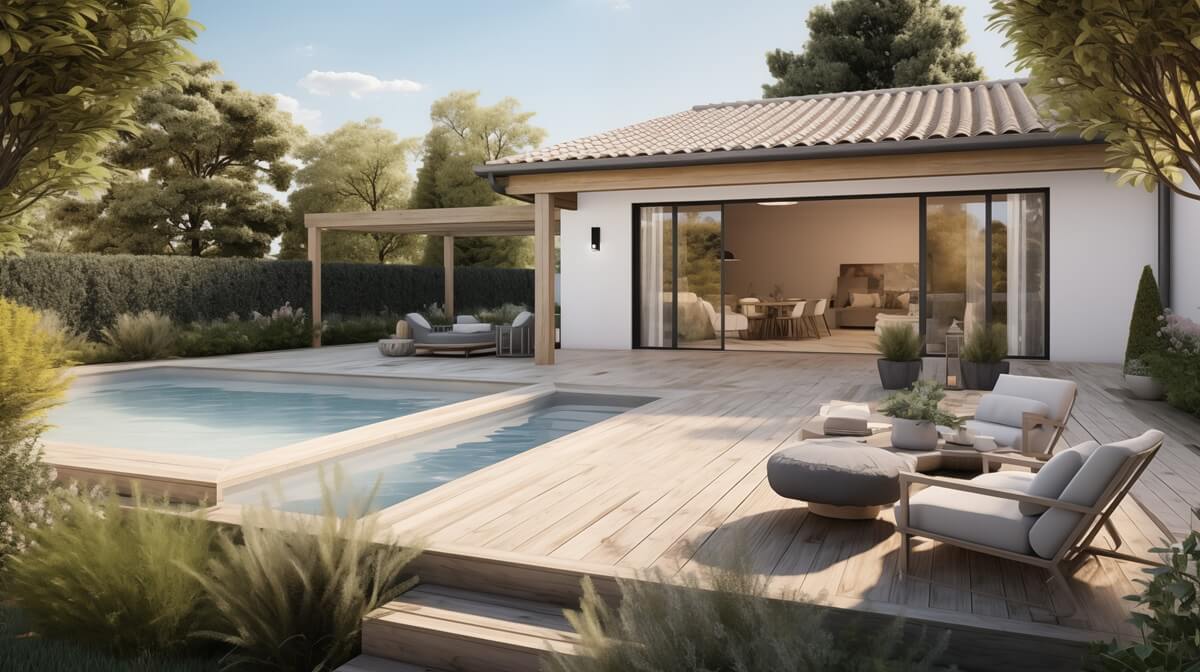
Transforming your outdoor space into a cosy retreat doesn't require an excess of furniture. Discover how to design an inviting area that maximises comfort while maintaining a clean, uncluttered look.
From the article you will learn:
-
How to strategically choose outdoor furniture to avoid overcrowding your space while ensuring comfort and style.
-
Effective ways to balance aesthetics and functionality in your garden by selecting durable and versatile pieces.
-
Tips on optimising seating arrangements to enhance social interaction and maintain an open, inviting environment.
-
Creative solutions for small patios that maximise space without sacrificing comfort or visual appeal.
-
The importance of integrating nature and landscape elements to create a harmonious outdoor setting.
-
How to use strategic furniture placement to encourage relaxation and an aesthetic flow in your outdoor area.
-
Considerations for materials and maintenance that will extend the longevity of your outdoor furniture investment.
Essentials of outdoor comfort
Creating a comfortable outdoor seating area without overfurnishing requires a thoughtful selection of essential pieces that balance functionality and aesthetics. The key is to choose versatile and appropriately sized garden furniture that complements the available space. Opting for a compact table and a few well-chosen chairs can provide ample seating without overwhelming the area. This not only maintains an open and inviting atmosphere but also ensures ease of movement and flexibility in the layout. Incorporating multi-functional pieces, such as benches with built-in storage or foldable chairs, can further enhance practicality while keeping it uncluttered. By focusing on quality over quantity, you can create a serene and comfortable garden seating area that encourages relaxation and social interaction.
When selecting garden furniture, consider materials that are both durable and harmonious with the natural surroundings. Wooden pieces, for instance, can add warmth and blend seamlessly with garden landscapes, while metal or wicker options offer a more contemporary feel. It's also important to choose furniture that is weather-resistant and easy to maintain, ensuring longevity and sustained comfort. Garden tables can serve as focal points for dining or gatherings, adding both practicality and style. By thoughtfully curating your seating area, you can achieve a perfect balance between comfort and simplicity, creating an inviting outdoor retreat that doesn't feel overfurnished.
Planning the perfect furniture arrangement
Arranging your outdoor seating area effectively is crucial for creating a comfortable and functional space without overfurnishing. Begin by assessing the size and shape of your garden to determine the optimal placement of furniture. Positioning seating to take advantage of natural focal points, such as a scenic view or a garden feature, can enhance the overall ambiance. When considering how to arrange garden seating, it's important to maintain clear pathways for easy movement and accessibility. Placing seating in a semi-circular or U-shaped configuration can foster conversation and create an inviting atmosphere. Incorporating versatile pieces, like benches that can be moved or expanded, allows for flexibility in accommodating different group sizes and activities.
Selecting the right furniture is essential in this process. Opt for comfortable and durable options, such as these garden chairs, which offer both style and functionality. To provide shade and protection from the elements, consider adding umbrellas strategically placed to cover seating areas without obstructing views or impeding movement. This not only enhances comfort but also extends the usability of your outdoor space during various weather conditions. By integrating these elements thoughtfully, you can create an inviting and practical garden seating area that encourages relaxation and social interaction.
Small space solutions for an inviting patio
Designing an inviting patio within a limited space requires strategic selection and arrangement of furniture to maximise functionality without compromising comfort. Opting for compact, multi-functional pieces is essential. For instance, a folding bistro set can provide a charming dining area and be easily stored when not in use, preserving valuable space. Similarly, modular sofas offer flexibility, allowing you to adjust the outdoor furniture layout to suit different occasions, ensuring the area remains adaptable and uncluttered. Incorporating vertical elements, such as wall-mounted planters or hanging chairs, can add visual interest and free up floor space, contributing to a sense of openness.
An effective outdoor furniture layout involves placing seating along the perimeter to open up the central area, enhancing the perception of space. Utilising corner spaces with L-shaped sectionals can provide ample seating without overwhelming the patio. Incorporating storage solutions, like benches with hidden compartments, helps keep the area tidy and organised. Choosing lightweight, stackable chairs allows for easy rearrangement and storage, offering flexibility for various activities. By implementing these patio furniture ideas for small spaces, you can transform a compact patio into a functional and inviting outdoor retreat.
Enhancing the outdoor living experience
Enhancing your outdoor living area involves thoughtful integration of multi-functional furniture and natural elements to create a harmonious environment. Incorporating versatile pieces, such as benches with built-in storage or extendable tables, maximises functionality without overcrowding the space. Selecting materials that complement natural surroundings, like wooden or rattan furniture, ensures a seamless blend between the built environment and landscape. Strategically placing garden tables can serve as focal points for social gatherings, enhancing the inviting atmosphere.
Integrating natural elements, such as native plants and water features, further enriches the outdoor experience. Incorporating planters with lush greenery or colourful flowers adds vibrancy and texture, creating a visually appealing setting. Ensuring the layout complements the existing landscape by following the natural contours and incorporating existing trees or shrubs maintains a cohesive and inviting outdoor living area. By thoughtfully combining these outdoor living area ideas, you can create a garden seating area that is both functional and aesthetically pleasing.
FAQ
To achieve comfort without overcrowding, select versatile, appropriately sized furniture that complements your space. Opt for multi-functional pieces like benches with storage or foldable chairs, and arrange them to maintain open pathways and a sense of openness.
Effective strategies include positioning seating to take advantage of natural focal points, maintaining clear pathways for easy movement, and using configurations like semi-circular arrangements to foster conversation. Incorporating movable pieces allows flexibility for different occasions.
Maximise small patios by choosing compact, multi-functional furniture such as folding bistro sets or modular sofas. Utilise vertical space with wall-mounted planters or hanging chairs, and arrange seating along the perimeter to keep the central area open and inviting.
Integrating natural elements like native plants and water features adds vibrancy and texture, creating a harmonious environment. Using materials that blend with the surroundings, such as wooden or rattan furniture, ensures a seamless connection between the built environment and nature.
Choose furniture made from weather-resistant materials like teak or aluminium, and invest in plush, durable cushions with weather-resistant fabrics. Regular maintenance, such as cleaning and protective treatments, will also extend the longevity and comfort of your outdoor furniture.
Maintain openness by selecting only essential furniture pieces, opting for multi-functional items, and arranging them to allow clear pathways. Regularly assess and declutter the space to prevent overcrowding and ensure it remains inviting and functional.
Incorporate shade by using umbrellas, pergolas, or retractable awnings that provide coverage without occupying significant space. Position these elements strategically to offer protection from the sun while maintaining the openness and aesthetic appeal of the area.