

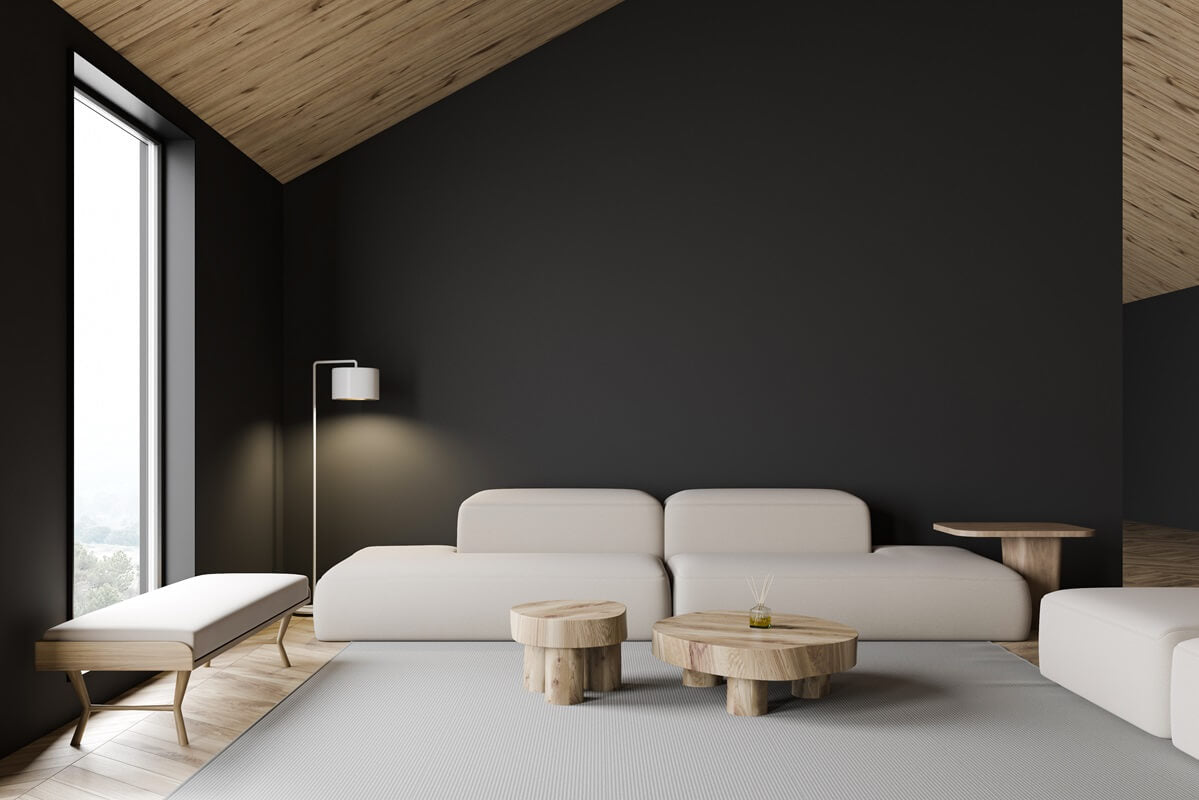
Creating the perfect living space is about more than just filling a room—it’s about finding the right balance between comfort and practicality. Soft furnishings, like cushions, rugs, and curtains, bring warmth and personality, while hard furnishings, such as tables, cabinets, and shelving, provide structure and functionality. When these elements work together, your home feels inviting, organized, and truly yours. Thoughtful choices in both can transform any space into a place where style meets everyday living. Every detail matters, turning your house into a home that reflects your taste and lifestyle.
From the article you will learn:
-
The critical differences between soft and hard furnishings and their roles in interior design.
-
How to effectively integrate soft furnishings like cushions and curtains to enhance comfort.
-
The importance of hard furnishings such as cabinets for maintaining organisation.
-
Methods for mixing different textures to achieve a balanced and aesthetically pleasing room.
-
What to consider when choosing materials for furniture to ensure durability and style.
-
The impact that the right combination of furnishings can have on the functionality and appeal of living spaces.
Understanding soft furnishings
Achieving a harmonious balance between comfort and practicality in your living space involves understanding the role of soft furnishings. But what are soft furnishings? They encompass items made from fabric that enhance the comfort and aesthetic appeal of a room. Common soft furnishings examples include cushions, curtains, and rugs. These elements introduce texture, colour, and warmth, transforming a house into a home. For instance, a well-chosen set of curtains can frame windows beautifully, while a plush rug adds warmth underfoot. Incorporating soft furnishings allows for personal expression and can be easily updated to reflect changing tastes or seasons.
In addition to smaller accessories, larger pieces like sofas and armchairs also fall under the category of soft furnishings. A comfortable sofa serves as the centrepiece of a living room, offering both seating and style. Similarly, an inviting armchair provides a cosy nook for reading or relaxation. These larger items not only contribute to the room's functionality but also play a significant role in defining its overall aesthetic. By thoughtfully selecting and arranging soft furnishings, you can create a space that is both comfortable and visually appealing, striking the perfect balance between form and function.
Defining hard furnishings
In the context of interior design, definitions of hard furnishings refer to the durable, non-fabric elements that form the structural foundation of a room. These include items such as tables, cabinets, and chairs, which provide essential functionality and define the spatial arrangement of a space. Unlike soft furnishings, which add comfort and aesthetic appeal, hard furnishings are integral to the room's practicality and organisation. For instance, a well-placed dining table serves as a central gathering point, while cabinets offer necessary storage solutions, keeping the environment organised and clutter-free.
Among hard furnishings, seating options like chairs and coffee tables play a pivotal role in both function and form. A set of sturdy chairs not only provides comfortable seating but also contributes to the room's overall design aesthetic. Similarly, a thoughtfully chosen coffee table serves as a focal point in a living area, offering a surface for daily activities and enhancing the room's visual appeal. By carefully selecting and arranging hard furnishings, one can create a space that is both functional and harmonious, effectively balancing comfort and practicality.
Distinguishing soft and hard wood
Understanding the distinction between hardwood and softwood is essential when selecting materials for furniture, as each type offers unique properties that influence durability, aesthetics, and functionality. What is the difference between hard and soft wood? Hardwoods are derived from deciduous trees, such as oak, maple, and mahogany, which shed their leaves annually. These woods are typically denser and more durable, making them ideal for high-quality furniture pieces that require longevity and strength. For instance, mahogany is renowned for its rich colour and fine grain, contributing to the elegance and resilience of furniture.
In contrast, softwoods come from coniferous trees like pine, cedar, and fir, which are generally faster-growing and less dense. While they are often easier to work with and more cost-effective, softwoods may lack the durability of hardwoods. However, certain softwoods are still used in furniture making, especially when affordability and ease of handling are priorities. When constructing items such as sofas, the choice between hardwood and softwood frames can significantly impact the piece's longevity and performance. Hardwood frames are typically preferred for their strength and ability to withstand daily use, ensuring that the furniture remains sturdy and reliable over time.
Balancing furniture textures
Achieving a harmonious living space involves understanding how to balance furniture textures by thoughtfully combining soft and hard furnishings. Integrating materials like fabric, wood, and metal can create a cohesive and inviting atmosphere. For instance, pairing a plush fabric armchair with a sleek wooden coffee table introduces a pleasing contrast that enhances the room's visual appeal.
To further refine the balance, consider incorporating elements such as metal-framed chairs. These additions can introduce a modern touch while maintaining the warmth provided by softer textures. By thoughtfully selecting and arranging these pieces, you can create a space that is both comfortable and aesthetically pleasing.
FAQ
Soft furnishings refer to fabric-based elements in home décor, such as cushions, curtains, rugs, and upholstery, which add comfort and aesthetic appeal to a space.
Soft furnishings introduce texture, colour, and warmth, transforming a house into a home by adding layers of comfort and personal style.
Hard furnishings are the durable, non-fabric elements that form the structural foundation of a room, including items like tables, chairs, and cabinets.
Hard furnishings provide essential functionality and define the spatial arrangement of a space, offering structure, utility, and support.
Hardwood comes from deciduous trees and is typically denser and more durable, making it ideal for high-quality furniture. Softwood comes from coniferous trees and is generally less dense, often used for more affordable or easily worked furniture pieces.
Combining different materials like fabric, wood, and metal in items such as armchairs and coffee tables can create a cohesive and inviting atmosphere.
Balancing soft and hard furnishings ensures a harmonious living space that is both comfortable and practical, enhancing both the functionality and aesthetic appeal of a room.
Yes, soft furnishings can be easily updated to reflect changing tastes or seasons, allowing for personal expression and flexibility in home décor.
Armchairs, with their fabric upholstery, add softness and comfort, balancing the harder textures of items like wooden coffee tables.
Coffee tables serve as a focal point in a living area, offering a surface for daily activities and enhancing the room's visual appeal by introducing hard textures that contrast with soft furnishings.