

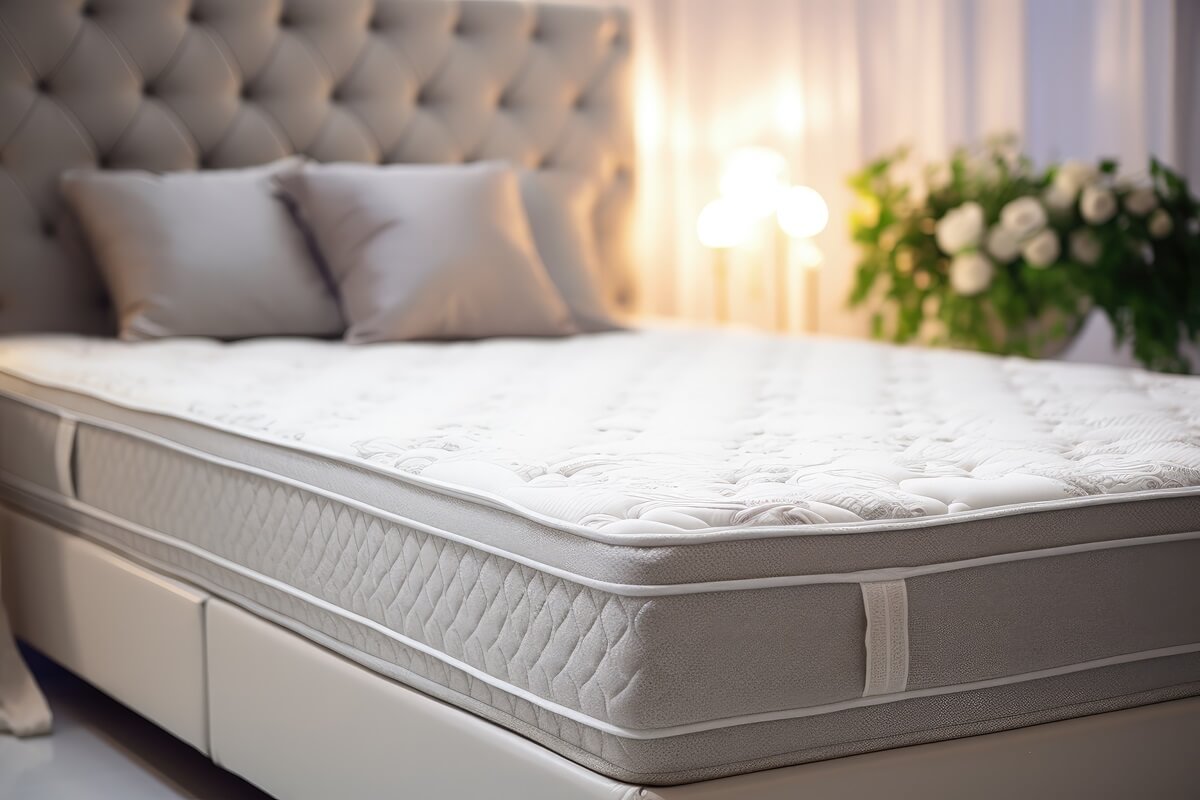
A good night’s sleep starts with the right mattress. In this article, we break down how sleeping position and body weight play a crucial role in choosing a mattress, offering expert insights to help you enjoy improved comfort and truly restful nights.
From the article you will learn:
-
Insightful methods to select a mattress based on individual sleeping styles and preferences.
-
How body weight impacts mattress selection and why it matters for comfort and longevity.
-
Essential guidance on choosing a mattress that supports proper body alignment.
-
The role of mattress firmness in providing optimal support for different sleepers.
-
Tips on using mattress toppers to adjust comfort levels and improve sleep quality.
-
Strategies for enhancing your sleep environment with carefully chosen bedroom furniture.
-
Practical advice on creating a serene bedroom atmosphere conducive to restfulness.
-
How to maintain the longevity and efficacy of your mattress through proper care.
-
The importance of an integrated approach to bedroom decor and functionality.
-
Additional factors to consider when assembling a holistic sleep strategy beyond just bedding choices.
Understanding your sleeping position
Choosing the right mattress is essential for achieving restful sleep, and your preferred sleeping position plays a pivotal role in this decision. Different positions—side, back, or stomach—require specific support to maintain spinal alignment and alleviate pressure points. For side sleepers, selecting an appropriate mattress is particularly crucial. Sleeping on your side places significant pressure on the shoulders and hips, necessitating a mattress that offers adequate cushioning to these areas while supporting the natural curve of the spine. A medium-soft to medium-firm mattress is often recommended, as it provides the necessary balance between comfort and support. Memory foam or hybrid mattresses are popular choices for those wondering how to choose the right mattress, as they contour to the body's shape, distributing weight evenly and reducing pressure points. For instance, the Helix Midnight Luxe is specifically engineered for side sleepers, offering superior pressure relief for the hips and shoulders, along with excellent lumbar support.
Back sleepers, on the other hand, benefit from a firmer mattress that supports the natural curvature of the spine, preventing the lower back from sinking too deeply. Stomach sleepers require an even firmer surface to keep the hips aligned with the rest of the body, reducing strain on the back. Understanding these nuances is vital when determining how to choose the right mattress. By aligning your mattress choice with your sleeping position, you can enhance sleep quality and overall well-being. For a selection of mattresses tailored to various sleeping positions, you can explore options at Phantom Furniture.
The impact of body weight on mattress choice
Individuals weighing under 130 pounds often find softer mattresses more accommodating, as these provide sufficient contouring to alleviate pressure points without excessive firmness. Conversely, those between 130 and 230 pounds typically benefit from medium to medium-firm mattresses, which offer a balanced combination of support and comfort. For individuals over 230 pounds, firmer mattresses are generally recommended to prevent excessive sinkage and maintain proper spinal alignment.
Additionally, in a mattress firmness guide, the thickness of the mattress plays a role; heavier individuals may require thicker mattresses to ensure adequate support and durability over time. Selecting a mattress that aligns with your body weight not only enhances comfort but also extends the lifespan of the mattress by preventing premature wear. By considering how body weight affects mattress choice, you can make an informed decision that promotes restful sleep and overall well-being. For a variety of options tailored to different needs, explore the selection of mattresses available.
Exploring mattress firmness options
Firmness is typically rated on a scale from 1 to 10, with 1 being extremely soft and 10 being very firm. This scale helps in identifying the comfort level that aligns with your personal preferences and sleeping style.
Here's a brief mattress firmness guide to assist you:
-
Soft (1-3): Offers a plush feel with significant sinkage, ideal for side sleepers who require cushioning for their shoulders and hips.
-
Medium (4-6): Provides a balance between support and comfort, suitable for combination sleepers who shift positions during the night.
-
Firm (7-10): Delivers minimal sinkage and robust support, preferred by back and stomach sleepers to maintain proper spinal alignment.
When selecting a mattress, consider your sleeping position and personal comfort needs. Side sleepers may benefit from a softer mattress to alleviate pressure points, while back and stomach sleepers might find firmer options more supportive. By understanding these firmness levels, you can make an informed decision that enhances your sleep quality and overall well-being.
Selecting the best mattress for back sleepers
Selecting the best mattress for back sleepers is essential to ensure proper spinal alignment and prevent discomfort. Back sleepers typically benefit from a medium-firm mattress that provides adequate support to the lumbar region while offering enough cushioning for comfort. A mattress with a firmness rating between 5 and 7 on the standard scale is often ideal, as it maintains the natural curve of the spine without allowing excessive sinkage.
Hybrid mattresses, which combine innerspring coils with foam layers, are particularly suitable for back sleepers, offering a balance of support and contouring. In addition to selecting an appropriate mattress, back sleepers can enhance their sleep experience by using mattress toppers. A high-quality topper can adjust the firmness level and add an extra layer of comfort. By carefully choosing both a mattress and a suitable topper, back sleepers can create an optimal sleep environment that promotes restful and rejuvenating sleep.
Additional tips for creating the perfect sleep environment
Creating the perfect sleep environment extends beyond selecting the right mattress. Incorporating complementary bedroom furniture enhances both comfort and aesthetics. A sturdy bed frame provides essential support, while nightstands offer convenient storage for bedtime essentials. Dressers and wardrobes help maintain an organised space, contributing to a serene atmosphere conducive to restful sleep.
Additionally, consider elements such as blackout curtains to block external light, and area rugs to add warmth and reduce noise. A well-chosen colour palette and minimalistic decor can further promote relaxation. By thoughtfully selecting bedroom furniture and decor, you can create an environment that complements your mattress choice and enhances overall sleep quality.
FAQ
When selecting a mattress, consider your sleeping position, body weight, and personal comfort preferences. These elements influence the firmness and support level that will best suit your needs.
Your sleeping position determines the areas of your body that require support. Side sleepers often benefit from softer mattresses to cushion shoulders and hips, while back and stomach sleepers may prefer firmer options to maintain spinal alignment.
Body weight affects how much you sink into a mattress. Lighter individuals may find softer mattresses more comfortable, whereas heavier individuals might require firmer mattresses to provide adequate support and prevent excessive sinkage.
Back sleepers typically benefit from medium-firm mattresses that support the natural curve of the spine and prevent the lower back from sinking too deeply.
Yes, mattress toppers can adjust the firmness level and add an extra layer of comfort, helping back sleepers achieve optimal support and cushioning.
Complement your mattress with supportive bedroom furniture, such as a sturdy bed frame and ergonomic pillows. Additionally, consider factors like room temperature, lighting, and noise levels to create a conducive sleep environment.
While trying a mattress in-store can provide insight into its comfort and support, many online retailers offer sleep trials, allowing you to test the mattress at home and return it if it doesn't meet your needs.
It's generally recommended to replace your mattress every 7-10 years, or sooner if you notice signs of wear, discomfort, or decreased support.
Individuals with back pain may benefit from medium-firm mattresses that provide balanced support and pressure relief. It's advisable to consult with a healthcare professional for personalized recommendations.
Appropriate bedroom furniture, such as a supportive bed frame and comfortable pillows, contributes to overall sleep quality by ensuring proper support and alignment during rest.