

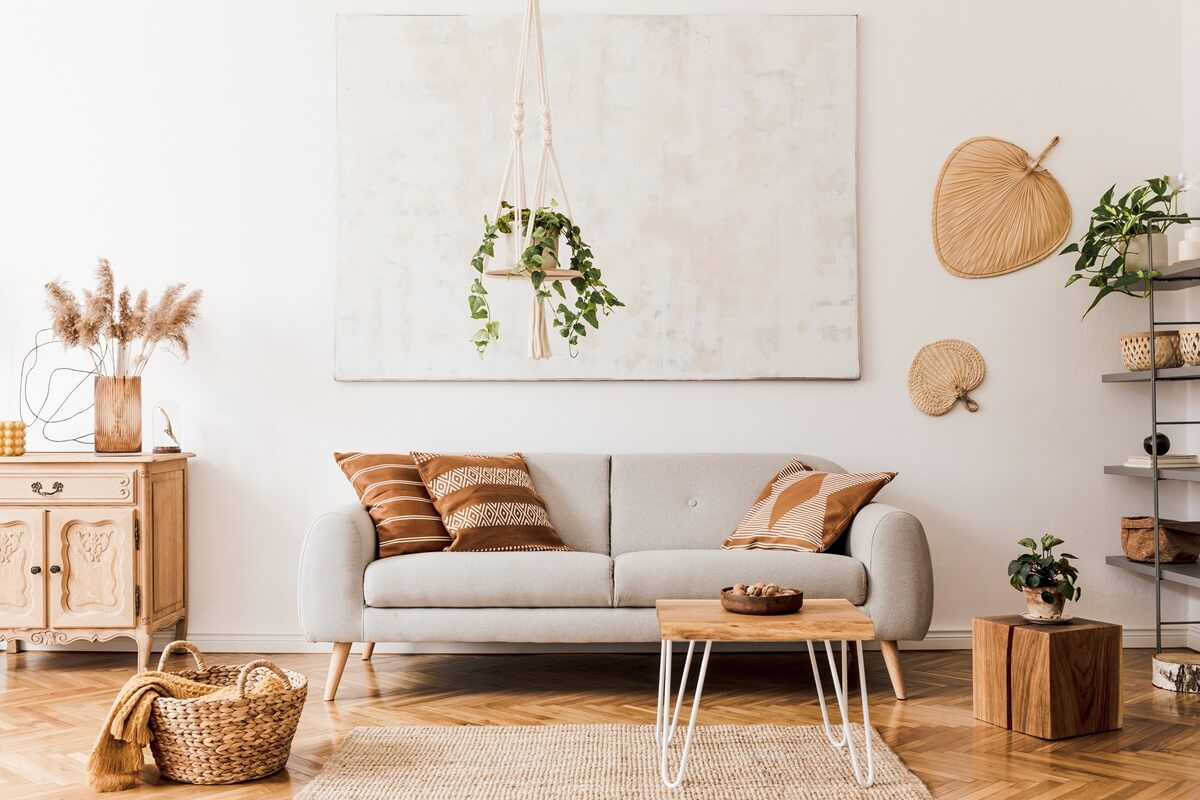
Decorating a rental property can feel tricky when permanent changes aren’t allowed. Yet, with a bit of creativity, you can transform a temporary space into a home that truly reflects your personality. From removable wallpaper to stylish furniture and clever accessories, there are countless ways to add warmth and character. With thoughtful touches, even a rental can feel cosy, inviting, and entirely your own.
From the article you will learn:
-
Creative ways to furnish a rental property without making permanent alterations.
-
The benefits of multifunctional and modular furniture in a rental home.
-
How to use removable decor to personalise a rented space.
-
Tips for selecting portable storage solutions that optimise space and flexibility.
-
The importance of incorporating personal touches through soft furnishings.
-
Guidance on essential items landlords typically provide in furnished properties.
-
Techniques for enhancing comfort and individuality in a rental environment.
-
Renter-friendly furniture tips that ensure functionality and style.
Furnishing a rental property creatively
Creating a comfortable and personalised rental home is possible without making permanent changes by using innovative and temporary solutions. Consider the following strategies:
-
Multifunctional furniture: Pieces like sofa beds or storage ottomans maximise space by serving multiple purposes, providing seating, sleeping areas, and hidden storage.
-
Removable wall treatments: Use removable wallpaper or wall decals to add colour and patterns that reflect your style, without damaging walls.
-
Damage-free hanging solutions: Command strips and adhesive hooks allow you to display artwork, mirrors, or lightweight shelves safely.
-
Area rugs: Cover unattractive flooring and add warmth to a room, while keeping rugs portable for future moves.
By combining these temporary enhancements, tenants can create a welcoming, personalised space that feels like home while preserving the property’s original condition.
Furniture ideas for rented homes
Furniture ideas for rented homes should focus on adaptable and portable furniture that enhances both functionality and aesthetics. Modular furniture is an excellent choice, as it allows for customisable configurations to suit various spaces and needs. For example, modular sofas can be rearranged to fit different room layouts, providing flexibility and comfort without the need for permanent fixtures. Additionally, modular shelving units can be adjusted or expanded, offering versatile storage solutions that can adapt to changing requirements.
Portable wardrobes are another practical option for renters seeking flexible storage solutions. These freestanding units can be easily assembled and disassembled, making them ideal for temporary living situations. They come in various sizes and styles, allowing tenants to choose options that complement their interior decor. Incorporating renter-friendly furniture tips, such as selecting lightweight pieces that are easy to move and opting for furniture with built-in storage, can further optimise space and functionality in a rental property. Portable and flexible furniture helps tenants personalise their space while respecting their lease.
How to make a rented house feel like home
Learning how to make a rented house feel like home involves infusing personal touches that reflect your style and enhance comfort. One effective approach is to customise the kitchen area, which often serves as the heart of the home. Introducing portable kitchen furniture, such as freestanding islands or shelving units, can provide additional storage and workspace without altering the existing structure. These pieces can be selected to match your aesthetic preferences and easily transported to future residences.
Incorporating soft furnishings throughout the house can significantly enhance its homeliness. Adding area rugs can cover unappealing flooring and introduce warmth and texture to a room. Layering cushions and throws on sofas and beds not only increases comfort but also allows for the expression of personal style through colours and patterns. These elements are easily changeable and can adapt to evolving tastes or seasonal decor. By thoughtfully selecting and arranging these items, you can create a welcoming and personalised environment that makes your rented house feel like home.
What should a landlord provide in a furnished property
Understanding what should a landlord provide in a furnished property is important for both tenants and landlords. In the UK, there is no legal definition of what constitutes a furnished property, but HMRC guidance suggests it should contain sufficient furniture for the tenant to live there comfortably without needing to bring their own. This typically includes essentials such as a sofa, one or more beds, a dining table and chairs, a cooker, carpets, curtains, and other kitchen appliances.
In addition to these basics, landlords often provide wardrobes, chest of drawers, and other storage solutions to enhance the tenant's comfort and convenience. It's important for landlords to ensure that all provided furnishings are in good condition and comply with safety regulations, contributing to a comfortable and functional living environment for tenants.
FAQ
Before painting, it's essential to obtain written permission from your landlord, as unauthorised alterations may violate your lease agreement.
Utilise removable wall decals, adhesive hooks for artwork, and area rugs to add personal touches without causing damage.
Yes, consider multifunctional furniture like sofa beds and storage ottomans, which offer versatility and optimise space in rental properties.
Always seek your landlord's approval before installing shelves or fixtures to ensure compliance with your lease terms.
With landlord consent, you can replace light fixtures, provided you restore the original ones upon moving out.
Use removable adhesive hooks or picture-hanging strips to display artwork without leaving marks or holes.
While permanent changes are typically not allowed, you can use removable contact paper to refresh cabinet surfaces temporarily.
Area rugs and peel-and-stick floor tiles can cover existing flooring and add style without permanent alterations.
Yes, using tension rods for curtains or removable window films allows you to add privacy and style without damaging fixtures.
Incorporate decorative shower curtains, removable adhesive hooks for towels, and non-permanent shelving to enhance the space.