

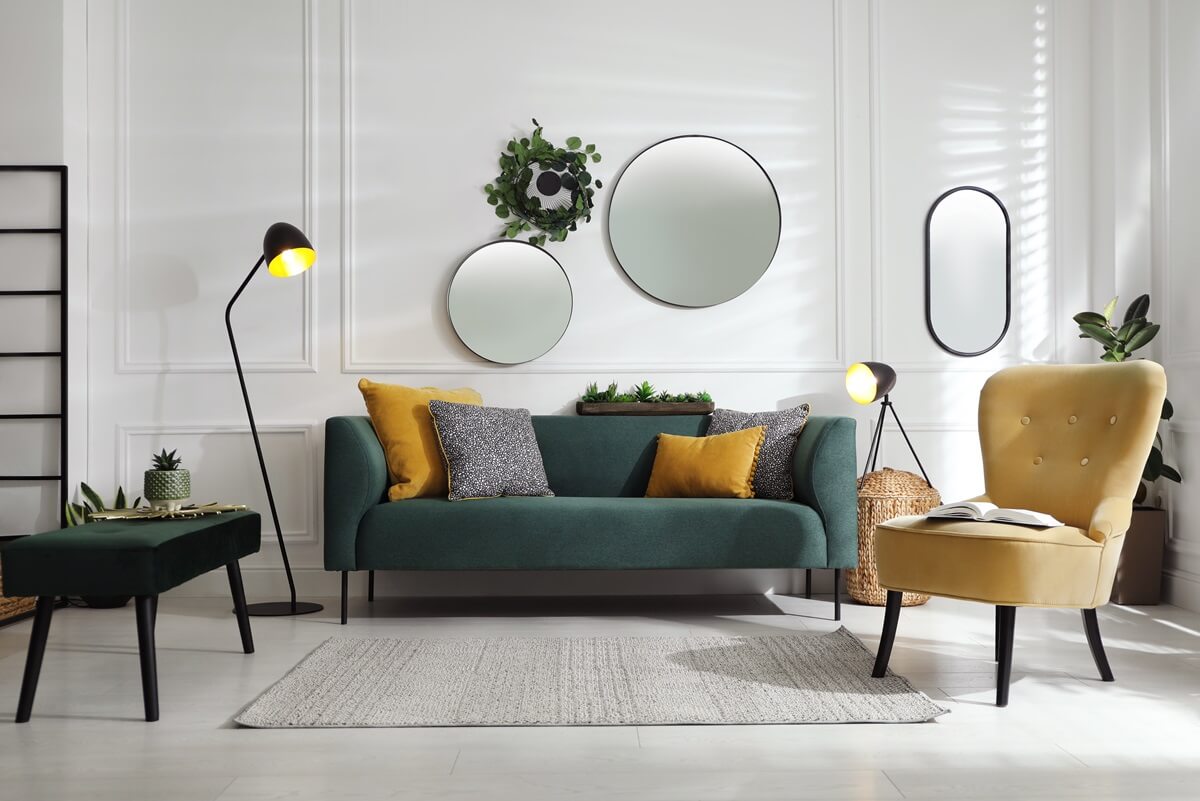
Explore the fascinating world of interior design styles and discover how to choose the right one for your home. Understanding the types of interior decorating styles can help you create a space that truly reflects your taste and lifestyle.
From the article you will learn:
-
How different interior design styles can transform the look and feel of your home.
-
The key characteristics that define popular interior design styles.
-
Ways to incorporate design elements such as furniture and decor to enhance style.
-
Insights into blending various decorating styles to create a unique space.
-
Tips for choosing an interior design style that suits your personal taste.
-
How to harmonise different design elements, like tables and chairs, across styles.
-
Guidance on integrating existing furniture collections into new design concepts.
-
The impact of architectural features on selecting interior design styles.
-
Examples of how to layer textures and patterns to add depth to your space.
Understanding interior design styles
Interior design styles are distinct approaches to decorating and furnishing spaces, each with unique characteristics that influence a home's ambiance and aesthetic. Understanding these styles is essential for creating an environment that reflects personal taste and lifestyle. A comprehensive list of interior design styles includes: Modern, Contemporary, Mid-Century Modern, Minimalist, Scandinavian, Eclectic, Industrial, Farmhouse, Art Deco, Bohemian, Coastal, French Country, Hollywood Glam, Japandi, Mediterranean, Rustic, Traditional, Transitional, Maximalist, English Country, Cottagecore, Grandmillennial, and Moroccan.
Each style offers a unique perspective on design elements such as colour schemes, furniture choices, and decorative accents. For instance, the Japandi style blends Japanese minimalism with Scandinavian simplicity, emphasising natural materials and a neutral palette. In contrast, the Hollywood Regency style is characterised by bold colours, luxurious materials, and opulent details, reflecting the glamour of Hollywood's Golden Era. By exploring this list of interior design styles, homeowners can identify the aesthetic that best aligns with their preferences, ensuring a cohesive and personalised living space.
Exploring different types of interior design styles
Exploring different types of interior design styles reveals a spectrum of aesthetics, each with unique characteristics that influence a home's ambiance. The Japandi style, for instance, merges Japanese minimalism with Scandinavian simplicity, emphasising natural materials and a neutral palette. In contrast, the Hollywood Regency style is characterised by bold colours, luxurious materials, and opulent details, reflecting the glamour of Hollywood's Golden Era. The Gustavian style, originating from Sweden, showcases restrained decoration, symmetry, and proportion, offering a serene and elegant atmosphere. Shabby chic focuses on furniture and furnishings that appear aged and show signs of wear and tear, often featuring soft, pastel colours and a cottage-like aesthetic. Italian Baroque interior design is marked by grandiose elements, large scales, and a movement away from rectangular shapes towards more oval designs, with furniture often adorned with elaborate carvings. Transitional style blends traditional and modern elements, creating spaces that feel both refined and welcoming.
Incorporating furniture pieces like beds, tables, and chairs into these types of interior decorating styles further defines the space. In Japandi interiors, low-profile beds crafted from light woods complement the minimalist aesthetic. Hollywood Regency might feature ornate beds with plush upholstery, while Gustavian style often includes beds with simple lines and muted colours. Shabby chic spaces may showcase distressed beds with vintage charm, and Italian Baroque interiors could have opulent beds with intricate carvings. Transitional design often incorporates beds that balance classic and contemporary elements. Similarly, tables and chairs are selected to align with each style's principles, enhancing the overall design cohesion.
How to choose an interior design style for your home
Choosing the right interior design style for your home involves a thoughtful evaluation of personal preferences, lifestyle needs, and existing furnishings. Begin by reflecting on your aesthetic inclinations—do you favour the clean lines of modern design, the ornate details of traditional decor, or perhaps an eclectic mix? Assessing your daily routines and the functionality required in each space is crucial; for instance, a minimalist style may suit those who prefer uncluttered environments, while a bohemian approach might appeal to those who enjoy vibrant, layered interiors.
Next, consider your current furniture and decor. Evaluating your existing collections can provide insight into your preferred styles and help identify pieces that can be integrated into a new design scheme. This approach not only ensures a cohesive look but also promotes sustainability by repurposing items you already own. Additionally, take into account the architectural features of your home, as certain styles may complement or contrast with these elements. By thoughtfully analysing these factors on how to choose an interior design style, you can select an approach that harmoniously aligns with your personal taste and enhances the overall ambiance of your home.
Modern vs traditional interiors
When considering modern vs traditional interiors, it's essential to understand their distinct characteristics to determine which aligns best with your preferences and lifestyle. Modern interiors are defined by clean lines, minimalistic aesthetics, and a focus on functionality. They often feature neutral colour palettes, such as whites, greys, and blacks, serving as a backdrop for bold accent pieces. Materials like glass, metal, and concrete are prevalent, contributing to a sleek and contemporary ambiance. Open floor plans are common, promoting a sense of spaciousness and fluidity between areas. Furniture in modern interiors tends to be streamlined and understated, emphasising practicality without excessive ornamentation.
In contrast, traditional interiors exude warmth and timeless elegance, drawing inspiration from historical European designs. They showcase ornate details, such as intricate woodwork, crown mouldings, and wainscoting, adding depth and character to the space. Rich colour schemes, including deep reds, greens, and golds, create a cosy and inviting atmosphere. Furniture pieces are often substantial and elaborately designed, featuring plush upholstery and classic patterns. Traditional interiors typically have well-defined spaces, with each room serving a distinct purpose, contributing to a structured and harmonious environment. By evaluating the key differences between these types of interior decorating styles, you can make an informed decision on which approach best suits your home and personal taste.
Incorporating various interior design elements
Incorporating key design elements helps homeowners create cohesive, personalized spaces. For example, Japandi style—combining Japanese minimalism with Scandinavian simplicity—features low-profile, light-wood beds with clean lines. Japandi beds use natural materials and neutral tones for a calm, functional look. Hollywood Regency is glamorous, with plush upholstery and ornate headboards. Gustavian style features simple lines and muted colors for elegance, while shabby chic embraces aged furniture and soft pastels. Italian Baroque is grand and ornate, with large-scale, curved designs and elaborate carvings.
Furniture beyond the bed also helps define a room’s style. In Japandi interiors, tables and chairs in light wood or bamboo with minimalist designs keep the space calm and natural. Hollywood Regency adds glamour with mirrored tables and chairs upholstered in bold, luxurious fabrics. Gustavian pieces are simple and elegant, often in muted tones, reflecting balance and symmetry. Shabby chic favors distressed, vintage-style tables and chairs in soft pastels, while Italian Baroque is grand and ornate, with intricate carvings and elaborate details.
Blending styles for a personalised touch
Blending different types of interior decorating styles allows homeowners to craft a unique and personalised living space that reflects their individual tastes. Achieving a harmonious fusion involves thoughtful selection and integration of elements from various aesthetics. For instance, combining the clean lines of modern design with the rustic charm of farmhouse style can result in a balanced and inviting environment. To successfully merge styles, it's essential to identify commonalities such as colour schemes, materials, or design motifs that can serve as unifying factors. This approach ensures that the space feels cohesive rather than disjointed.
When incorporating furniture pieces like tables and chairs, consider selecting items that bridge the gap between styles. For example, pairing a sleek, contemporary dining table with vintage-inspired chairs can create an eclectic yet balanced dining area. Maintaining a consistent colour palette or material finish across these pieces can further enhance the sense of unity. Additionally, layering textures and patterns thoughtfully can add depth and interest without overwhelming the space. By carefully curating and blending elements from different design styles, homeowners can achieve a personalised interior that is both stylish and cohesive.
FAQ
When selecting an interior design style, consider your personal taste, lifestyle, and the functionality of your space. Reflect on the emotions you wish to evoke, the activities that will take place in each room, and how the design will complement your daily routines.
To successfully mix various interior design styles, identify common elements such as colour schemes, materials, or design motifs that can serve as unifying factors. This approach ensures a cohesive look, allowing you to create a personalised space that reflects your unique preferences.
Furniture pieces such as tables and chairs are pivotal in establishing the aesthetic of a room. Selecting items that align with your chosen design style enhances the overall ambiance and ensures consistency throughout the space.
Yes, integrating existing furniture into a new design style is feasible. Assess your current pieces to determine which can be adapted or repurposed to fit the new aesthetic, promoting sustainability and preserving sentimental items.
Architectural elements like ceiling height, window styles, and structural details can guide the selection of an interior design style. Choosing a style that complements these features ensures a harmonious and cohesive environment.
To add depth and interest to your space, combine various textures and patterns thoughtfully. Balance bold patterns with neutral tones, mix different materials, and ensure that the overall composition aligns with your chosen design style.
To achieve a timeless interior design, focus on classic elements and neutral colour palettes. Incorporate high-quality materials and avoid overly trendy items that may become outdated quickly.
Lighting plays a crucial role in setting the mood and functionality of a space. A well-thought-out lighting plan enhances the aesthetic appeal and usability of each room.
Balancing aesthetics and functionality involves selecting design elements that are both visually appealing and practical. Consider the purpose of each space and choose furnishings and decor that serve both form and function.
Yes, integrating sustainable practices is achievable by selecting eco-friendly materials, repurposing existing furniture, and choosing energy-efficient lighting and appliances.